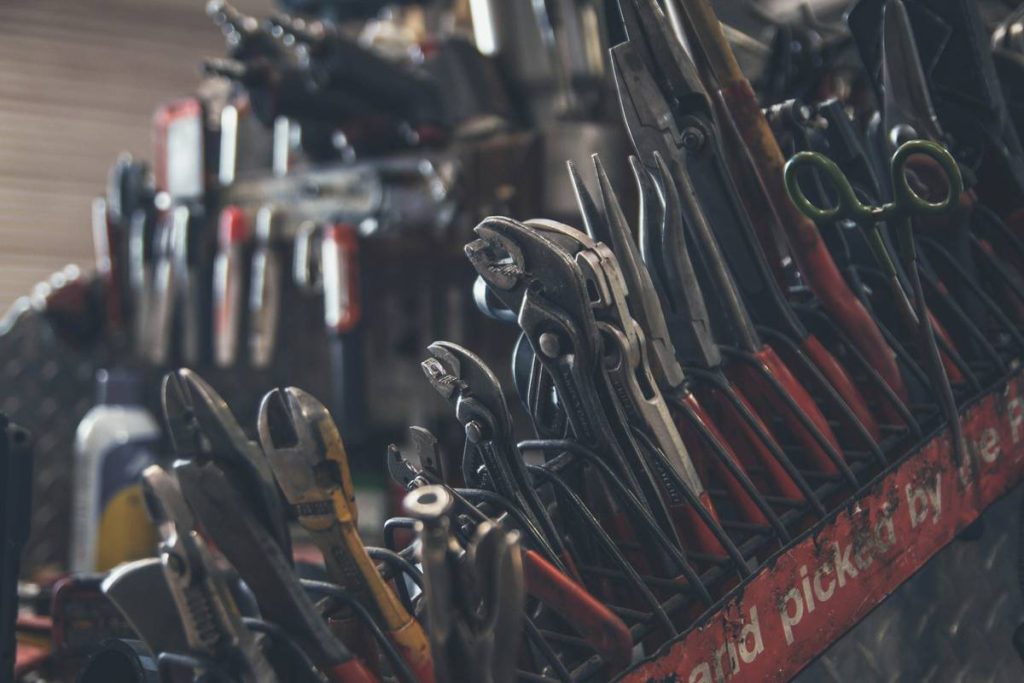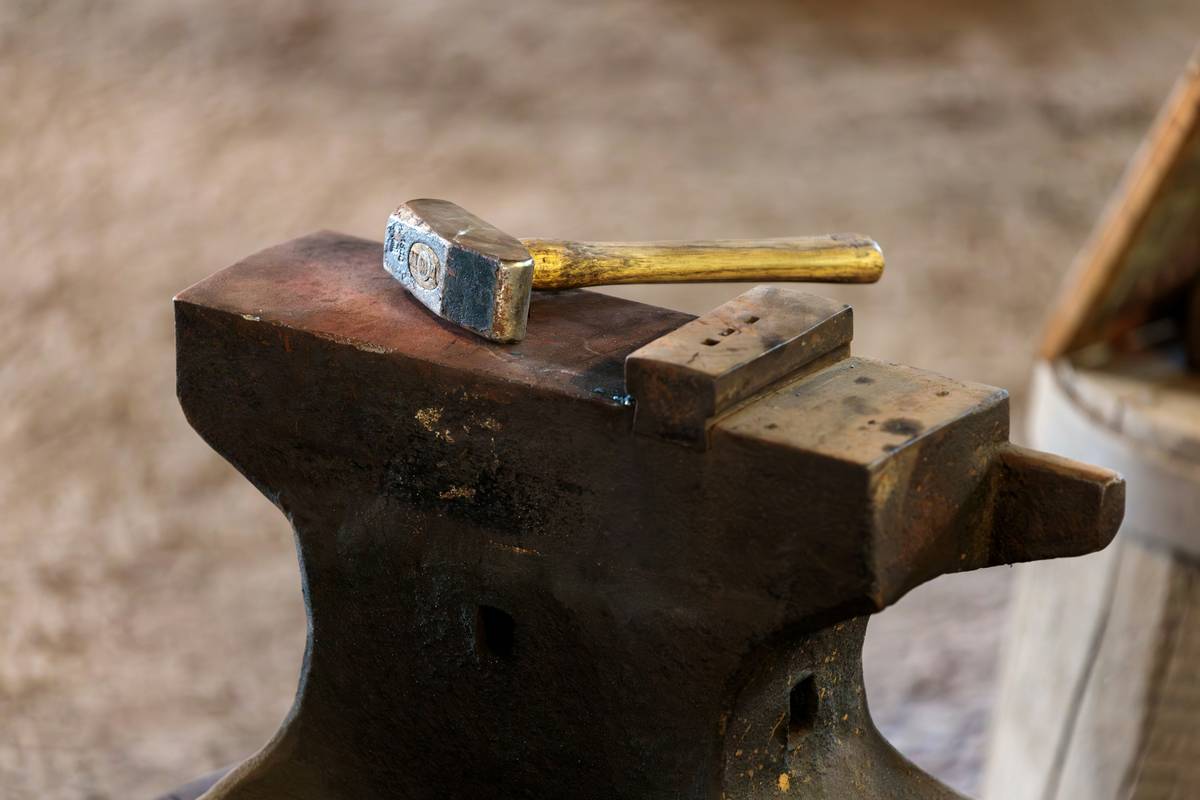
Swinging a hammer seems simple—until you crush your thumb or send a nail flying like shrapnel. Most injuries happen not from lack of strength but poor technique, worn-out gear, or plain overconfidence. The fix? Precision over power. Mastering how to use a hammer safely isn’t about caution—it’s about control.
Why Most People Get Hammer Safety Wrong
Conventional advice says “wear safety glasses” and “check your grip.” True—but incomplete. The real issue lies in muscle memory built on bad habits. You’ve likely been told to swing from the elbow. That’s fine for framing hammers—but disastrous with a ball-peen or finish hammer where finesse matters more than force.
And here’s what no one admits: many hardware stores sell hammers with compromised ergonomics just because they’re cheap. A slick fiberglass handle feels secure until sweat hits it. Then—slip. Crack. Ouch.
How to Use a Hammer Safely: Step-by-Step Protocol
Forget brute force. Safe hammering is geometry, rhythm, and tool awareness fused into one motion.
Choose the Right Hammer for the Job
A claw hammer for framing? Yes. For tapping ceramic tiles? Absolutely not. Mismatched tools create unnecessary risk. Always match head weight and face shape to your task—lighter for precision, heavier for demolition.
Inspect Before Every Swing
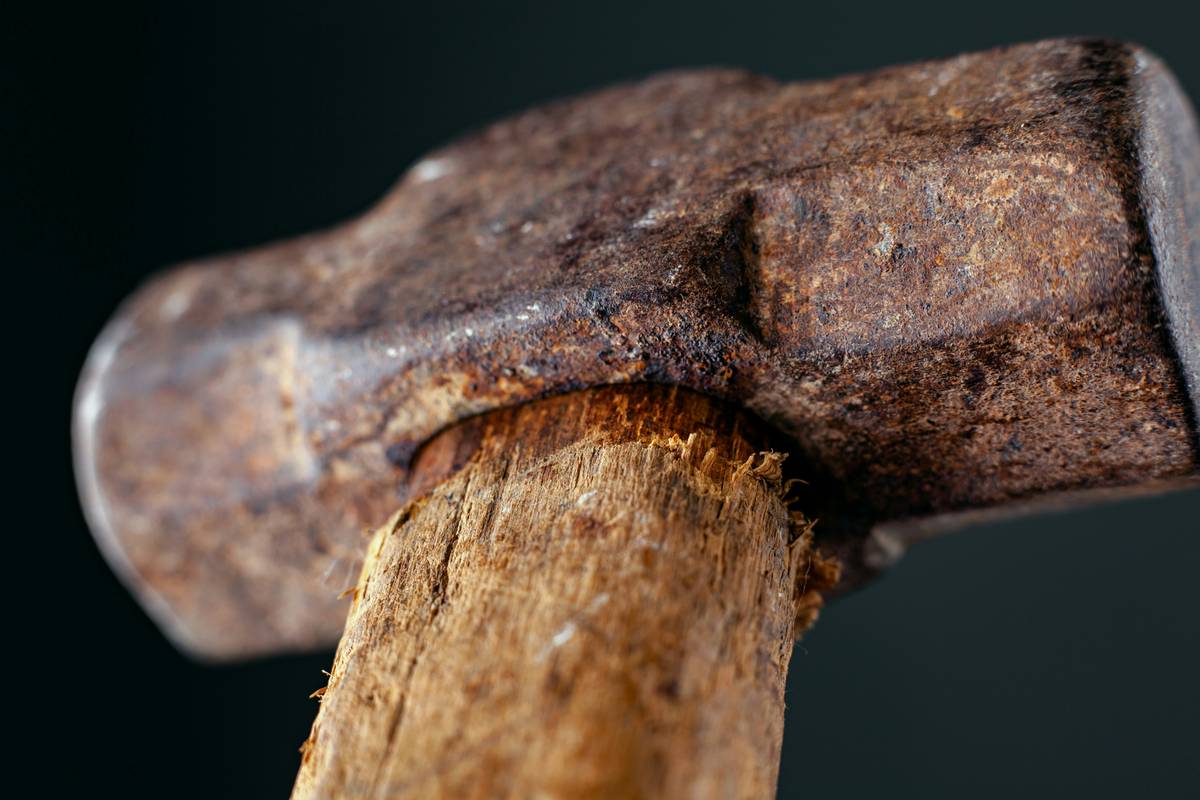
Check for loose heads, splintered handles, or mushroomed striking surfaces. A damaged hammer isn’t just inefficient—it’s a liability. One vibration too many and the head becomes a projectile.
Grip It Like You Mean It (But Not Too Tight)
Hold near the end of the handle for maximum leverage—but relax your wrist. Tension leads to fatigue, which leads to sloppy swings. Think of your arm as a pendulum, not a piston.
Position Your Work Securely
Never hold a nail between your fingers while hammering. Use clamps, vises, or magnetic nail starters. Your non-dominant hand should never be within 6 inches of the impact zone.
Swing with Purpose, Not Power
Short, controlled strokes beat wild wind-ups every time. Accuracy prevents glancing blows that chip metal or send nails sideways. The math is simple: three precise taps > one reckless smash.
| Safety Practice | Risk if Ignored | Time Saved by Doing It Right |
|---|---|---|
| Wearing ANSI-approved safety glasses | Eye injury from flying debris (78% of hammer-related ER visits) | Zero seconds lost—prevents days in recovery |
| Using a nail holder or jig | Crushed fingertips, embedded nails | ~15 seconds per nail—but saves trips to urgent care |
| Storing hammers head-down or in sheaths | Damaged edges, accidental drops | 2 seconds per tool—extends life by years |
The Industry Secret: Pros Don’t Swing—They “Drop”
Here’s something you won’t see in YouTube tutorials: elite carpenters rarely “swing” a hammer. Instead, they lift the head just enough and let gravity do the work—adding only minimal wrist snap at the bottom of the arc. This “controlled drop” method reduces vibration by up to 40%, minimizes handle shock, and keeps your knuckles intact. It feels counterintuitive at first—you’ll think you’re not hitting hard enough. But try driving ten finish nails this way. You’ll be shocked by the consistency… and your unbruised thumb.
FAQ
What’s the most common hammer-related injury?
Crushed fingers—especially thumbs—account for over 60% of emergency room cases. Never hold a nail with bare fingers.
Can a damaged hammer be repaired safely?
No. Loose heads or cracked handles mean immediate retirement. Welding or gluing creates hidden stress points that fail unpredictably.
Do I need special gloves for hammering?
Not always—but avoid thick, padded gloves when precision matters. They dull tactile feedback, increasing mis-hits. Use snug-fitting mechanics gloves only for heavy demolition.