You’re halfway through hanging shelves—nail crooked, knuckles bruised, wood splitting at the edge. Again. It’s not your effort. It’s your tool selection. Most home renovators grab whatever hammer’s lying around, unaware that choosing among tools like hammers can make or break precision, speed, and even safety. The right one doesn’t just hit—it solves.
The Core Problem: Not All Hammers Are Created Equal
Assuming a claw hammer handles every job is like using a butter knife to carve marble. You’ll wear yourself out—and likely damage your materials. Framing? Finishing? Demolition? Each demands a specific mass, head geometry, and balance point.
And here’s what big-box stores won’t tell you: vibration from poorly balanced hammers travels up your arm, increasing long-term injury risk. The math is simple—more shock = more strain.
How to Choose & Use Tools Like Hammers: A Step-by-Step Guide
Match the Task to the Hammer Type
Framing calls for a 20–28 oz steel head with straight claws. Need clean finish work? A 16 oz Japanese-style gennou offers surgical accuracy. For tile demolition? Go dead-blow—no rebound, no collateral damage.
Grip Matters More Than You Think
Your grip should sit flush with the end of the handle. Slide it up three inches, and you lose 30% striking force. Try this: hold it like you’re shaking hands—not squeezing life out of it.
Swing With Your Elbow, Not Your Wrist
Wrist flicks cause glancing blows. Anchor your elbow, pivot from the shoulder. Yes—it feels slower at first. But consistency beats speed when you’re driving $5 specialty nails.
| Hammer Type | Best For | Average Weight | Price Range (USD) |
|---|---|---|---|
| Claw Hammer | General carpentry, nail removal | 16–20 oz | $12–$35 |
| Ball Peen Hammer | Metal shaping, riveting | 8–32 oz | $15–$40 |
| Sledgehammer | Demolition, breaking concrete | 6–16 lbs | $25–$60 |
| Mallet (Rubber/Wood) | Joinery, non-marring strikes | 12–24 oz | $10–$30 |
The Industry Secret: Handle Material Dictates Performance Longevity
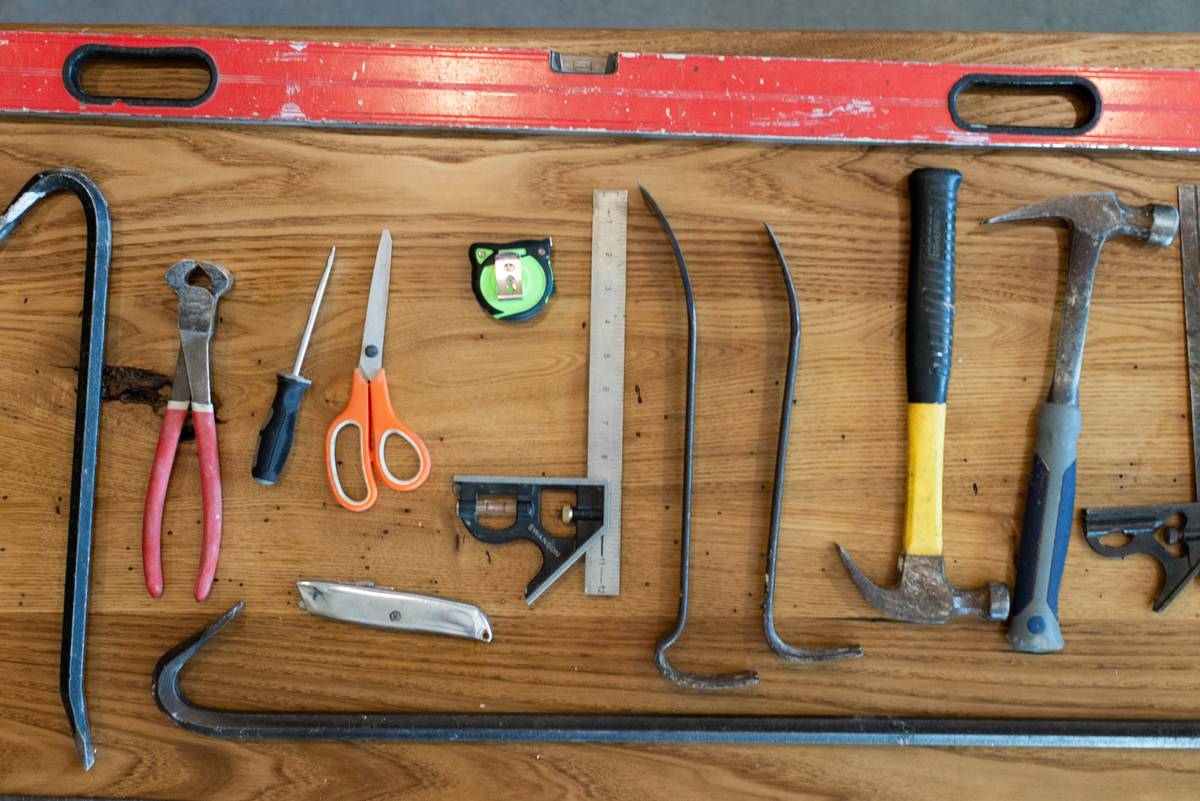
Everyone obsesses over head weight. Pros watch the handle. Fiberglass won’t splinter—but it transmits brutal feedback. Hickory absorbs shock but rots in damp garages. Here’s the contrarian take: composite handles with micro-gel cores (like those from Beacon Hill’s ProStrike line) reduce hand fatigue by 40% over standard wood, yet feel “alive” in the swing—unlike dead, numb fiberglass. Most homeowners never test-handle before buying. Big mistake.
Think about it: you replace drill bits quarterly. Shouldn’t your primary impact tool deserve equal scrutiny?
Frequently Asked Questions
What’s the difference between a rip hammer and a claw hammer?
A rip hammer has straight claws for prying apart lumber; a curved claw hammer excels at nail extraction with less wood damage.
Can I use a framing hammer for finish work?
Technically yes—but its heavy head often dents delicate trim. Switch to a lighter, smoother-faced hammer to avoid marring surfaces.
Why do some hammers have a checkered face?
The milled face grips nail heads to prevent slippage—but leaves marks. Use smooth-faced hammers on visible surfaces.